.png)
Selective Nerve Root Block
This procedure May Be right for you if you have:
Pain, numbness, burning, or weakness radiating down an arm or leg
A herniated disc or spinal stenosis at a specific level
Symptoms that haven't been fully confirmed or explained by imaging alone
Nerve pain that hasn't responded adequately to conservative treatment
A need to confirm a specific nerve level before considering surgery or other advanced treatment
Frequently Asked Questions
An epidural block places medication in the general epidural space and covers a broader area. A selective nerve root block targets one specific nerve root at its exit point. It's more precise — which makes it more diagnostically useful and more directly therapeutic for single-nerve problems.
Many patients feel immediate relief from the numbing medication, which lasts a few hours. After it wears off, pain may return temporarily before the steroid kicks in — usually within three days. If you felt relief during those first few hours, that's meaningful diagnostic information even if the pain comes back before the steroid takes full effect.
It depends on the underlying problem. Some patients get relief for weeks or months. For some, the inflammation around the nerve settles enough that the relief is lasting. For others it's part of an ongoing management plan.
Eat lightly before your appointment. Arrange a driver. Notify the office of blood thinners, aspirin, or anti-inflammatory medications. Continue routine heart, diabetes, and blood pressure medications unless told otherwise.
Rest the day of the procedure. Avoid strenuous activity, soaking in a tub, and swimming for 24 hours. Some soreness at the injection site is normal. Contact the office if you develop fever, increasing redness or drainage at the site, sudden new weakness, or any loss of bladder or bowel control.
ABOUT THIS PROCEDURE
Procedure Time: Less than 1 hour
Driver Required: yes
Total Visit Time: 1–3 Hours
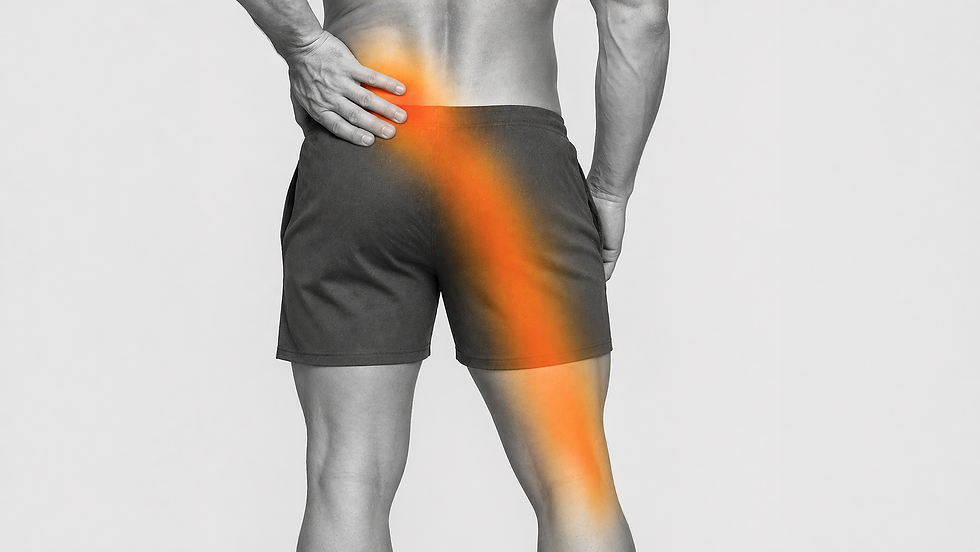
Your spinal cord sends nerve roots out through small openings between each vertebra — like branches off a tree. Each nerve root travels a specific path down your arm or leg, carrying signals for sensation and movement along the way. When one of those nerve roots gets pinched, compressed, or inflamed — from a herniated disc, bone spur, or narrowing of the spinal canal — it sends pain, burning, numbness, or weakness along its entire path.
That's why a problem in your lower back can make your foot go numb, or a problem in your neck can send pain shooting down your arm. The source is in your spine, but the symptom is somewhere else entirely.
A selective nerve root block targets one specific nerve root at a time. Numbing medicine and anti-inflammatory steroid are injected right at the point where that nerve exits the spine, under live X-ray guidance. This does two things at once: it tells us whether that specific nerve is causing your symptoms, and it reduces inflammation around the nerve to provide relief. The word "selective" matters — this isn't a general injection into the spine. It's a precise, targeted shot at a single nerve root.
Benefits
Identifies which specific nerve root is the source of your arm or leg pain
Delivers anti-inflammatory medication directly to the affected nerve
Provides diagnostic confirmation when imaging results are inconclusive
Can reduce or eliminate radiating pain, numbness, and burning
Minimally invasive — no incision, no hospital stay
Can be performed at cervical, thoracic, or lumbar levels
What to Expect
1
Prep & positioning
You'll be positioned on the procedure table — face down for lumbar and thoracic levels, or on your back or side for cervical levels. The team will explain what's happening and make sure you're comfortable before starting.
2
Cleanse & Numbing
The skin is cleaned with a sterile solution and local anesthetic is used to numb the area. You'll feel a brief sting before the skin goes numb — that usually passes within a few seconds.
3
Guided Injection
Using live X-ray guidance, Dr. Savu advances the needle to the targeted nerve root exit point. Contrast dye confirms correct placement before medication is delivered. You may feel brief pressure or a familiar reproduction of your usual pain during this step — that's normal and means the needle is in the right place.
4
Recovery & Discharge
You'll rest briefly in recovery before being released to your driver. Pay close attention to your pain levels for the rest of the day — your response helps confirm the diagnosis. Discharge instructions will include guidance on what to track.